
Contemporary Approaches to Saree Styling
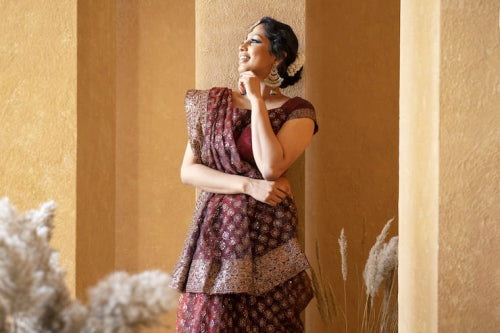
In the vibrant lanes of Delhi's markets or the chic boutiques of London's Soho, a timeless garment is undergoing a remarkable renaissance, blending centuries-old craftsmanship with cutting-edge flair. The saree, once confined to ritual and occasion, now graces runways, offices, and casual outings alike, proving its versatility in an era of global fashion fusion.
Fast fashion erodes cultural heritage, sidelining artisans and reducing traditions to trends. At IndieHaat, we champion India's craftspeople with handcrafted sarees, apparel, décor, and skincare rooted in authenticity. Each piece embodies skill and ethical care. Support artisans and preserve India's timeless legacy Shop Now!
Tradition Meets Modern Design
The saree remains an enduring emblem of Indian heritage, its folds carrying echoes of history, culture, and skilled artistry. Yet, in our rapidly evolving world, it is transcending traditional boundaries, moving beyond weddings and festivals into everyday life. Women in bustling Indian cities are embracing it for professional settings, while those in diaspora hubs like the United States and the United Kingdom are fusing it with Western elements for evening soirees. This transformation is not merely stylistic; it reflects a deeper commitment to sustainability and genuineness, values that resonate with curators such as IndieHaat, who specialize in artisan-crafted sarees.
IndieHaat stands out by procuring sarees straight from artisans, showcasing exclusive patterns in unadulterated linen, silk, and cotton. Far from factory lines, these items bear the imprint of manual expertise, drawing in consumers who prioritize ethical origins over disposable trends. This approach aligns seamlessly with the growing demand for pieces that tell a story, fostering a connection between wearer and maker.
Emerging Trends in Saree Styling
Fusion styling dominates the scene. Envision a classic silk saree teamed with a cropped blouse or a leather jacket these combinations are surging in popularity, from India's fashion capitals to social media scrolls. Gen Z in India and Singapore is rejecting conventional pleats for inventive variations, such as belted drapes or saree-pant ensembles, injecting playfulness into the garment.
Sustainability drives much of this momentum. As awareness rises around eco-friendly materials, natural cottons and linens are surging in appeal, mirroring worldwide moves toward responsible apparel. In multicultural melting pots like Australia and the UAE, sarees in airy, organic textiles are emerging as go-tos for everything from relaxed gatherings to upscale events.
Social channels are pivotal catalysts. Platforms like Instagram and YouTube brim with guides on innovative draping, democratizing the saree as a medium for personal flair. Meanwhile, Facebook communities for saree aficionados exchange advice on adapting styles to various physiques, promoting inclusivity and enjoyment.
Looking ahead to 2025, trends emphasize bold experimentation. Ruffled sarees add whimsy, metallic versions bring sparkle, and pre-draped options with belts or pants simplify wear while maintaining elegance. Organza fabrics offer ethereal lightness for festive brunches, and corset pairings deliver a bold, empowering silhouette. Architectural details like asymmetric necks and dramatic sleeves elevate blouses, creating striking contrasts. Minimalist drapes coexist with vibrant reinterpretations, honoring heritage while pushing boundaries.
Recent social buzz highlights free-flowing pallus for added grace and pairing vintage prints with sleek blouses for fresh twists. Celebrities are spotted in ruffle-adorned or sheer designs, inspiring everyday adoption.
Real-World Examples and Case Studies
Bollywood icon Kriti Sanon captivated audiences at a UNICEF gathering with her choice of the Ivy Gardenia Collar Pallu Saree from Studio Surbhi, retailing at INR 20,000. This ensemble included a ready-stitched georgette satin skirt for convenience, a decorated belt, and a fitted blouse, with the collar on the pallu providing a fresh, structured appeal amid vibrant ivy prints. Kept simple with drop earrings from Aquamarine Jewellery and rings from Mozaati, plus understated hair, it epitomizes blending legacy with today's trends, ideal for receptions or cocktails.
Social influencers are at the forefront. Though direct insights from their Instagram profiles are limited, their handles like @anilarubyraj and @ani_lakshmi often feature creative drapes that mirror IndieHaat's artisan focus. @svishala74 blends sarees with Western add-ons for hybrid looks, while @drminimalhotra and @varshaoak champion pared-down aesthetics suited for career women in the UK and US. Operating across Instagram, Facebook, and YouTube, they motivate audiences to explore distinctive designs, linking age-old techniques with routine attire.
Worldwide, professionals in key areas such as the US, Singapore, Australia, UK, and UAE are integrating these innovations. Singapore's business environments see sarees with sharp tailoring at mixers, whereas UAE's diverse scenes favor them for cross-cultural affairs, prioritizing genuine silks and cottons.
IndieHaat's artisan collaborations vitalize these movements, delivering sarees as narratives of skill. Direct sourcing guarantees uniqueness, luring those desiring standout pieces amid commonplace offerings.
Further illustrations abound. Actresses like Krithi Shetty dazzle in vivid chiffon for parties, embodying sleek glamour. Nora Fatehi's array of sarees from effortless to ruffled provides versatile inspiration. Even vintage revivals by stars like Tamannaah Bhatia mix pleats and textures for renewed sophistication.
Challenges and Limitations
Nevertheless, this progression faces obstacles. Elevated costs frequently discourage shoppers, pitting handcrafted sarees against budget-friendly synthetics. For IndieHaat, premium textiles and detailed work validate prices, necessitating awareness campaigns on authenticity's worth.
Credibility issues persist. Virtual buyers fret over material integrity sans physical inspection. In spots like Australia or the UK, sparse ethnic outlets heighten this reluctance due to absent hands-on trials.
Maintaining equilibrium between novelty and convention is tricky. Traditionalists may critique collar additions or athletic shoe matches, dreading cultural erosion. IndieHaat counters by stressing pristine materials and artisan fidelity, assuring innovations respect origins.
Additionally, adapting to diverse climates and lifestyles poses hurdles. Heavier silks might not suit humid Singapore, while fusion risks cultural missteps in conservative settings.
Opportunities and Business Impacts
Amid barriers, prospects flourish. India leads as the world's largest cotton producer, with the textiles market eyed to hit US$ 350 billion by 2030 via a 10% CAGR, exports reaching US$ 100 billion. Cotton output is forecasted at 7.2 million tonnes by then, bolstering eco-sourcing. Employing over 45 million, including numerous artisans, this expansion aids entities like IndieHaat.
The international Indian community in the US, UK, and Australia yearns for true artifacts, spurring handmade saree sales. Green consumerism bolsters IndieHaat's pure fabric emphasis, shunning artificials.
Online initiatives can mend trust voids. Via Instagram reels, YouTube demos, and Facebook streams, IndieHaat might present drape lessons, craftsman chats, and texture zooms, enriching purchase journeys.
Expanding through these avenues enables outreach past India, engaging Singapore's trendsetters or UAE's affluent. Ties with influencers like @varshaoak boost exposure, reframing concerns into dialogues on merit and legacy.
Moreover, policy boosts like the 2025-26 budget's Rs. 5,272 crore for textiles signal growth, with FDI at US$ 4.59 billion since 2000 fostering innovation. Fusion trends open doors for hybrid products, tapping younger demographics globally.
As the saree reinvents its form, it emerges as more than transient vogue a profound shift. From Kriti Sanon's poised collar innovation to urban blends worldwide, it serves as an artistic platform, interlacing yesteryears with now.
Forward, anticipate heightened eco-innovations and intercultural integrations. Outfits like IndieHaat are set to prosper via digital narratives, collaborator alliances, and buyer tutelage converting steep costs to artistic stakes and skepticism to devoted followings.
Frequently Asked Questions
How can I style a saree for modern everyday wear?
Contemporary saree styling involves fusion approaches like pairing classic silk sarees with cropped blouses or leather jackets, and experimenting with belted drapes or saree-pant ensembles. You can also opt for free-flowing pallus for added grace and mix vintage prints with sleek modern blouses. These innovative styling techniques make sarees suitable for professional settings, casual outings, and social events beyond traditional occasions.
What are the latest saree trends for 2025?
The 2025 saree trends emphasize bold experimentation with ruffled sarees for whimsy, metallic versions for glamour, and pre-draped options with belts or pants for convenience. Organza fabrics offer ethereal lightness for festive events, while corset pairings create empowering silhouettes. Architectural details like asymmetric necks and dramatic sleeves are elevating blouse designs, creating striking contrasts between minimalist drapes and vibrant reinterpretations.
Where can I buy authentic handcrafted sarees online?
Authentic handcrafted sarees can be sourced from artisan-focused platforms like IndieHaat, which procures sarees directly from craftspeople and offers exclusive patterns in pure linen, silk, and cotton. These platforms prioritize ethical sourcing and sustainability over mass-produced alternatives. When buying online, look for detailed fabric descriptions, artisan stories, and platforms that offer virtual draping tutorials or craftsman interviews to ensure authenticity and quality.
Disclaimer: The above helpful resources content contains personal opinions and experiences. The information provided is for general knowledge and does not constitute professional advice.
You may also be interested in: 5 Unique Saree Draping Styles to Try for a Modern Look – Indiehaat
Fast fashion erodes cultural heritage, sidelining artisans and reducing traditions to trends. At IndieHaat, we champion India's craftspeople with handcrafted sarees, apparel, décor, and skincare rooted in authenticity. Each piece embodies skill and ethical care. Support artisans and preserve India's timeless legacy Shop Now!
Powered by flareAI.co