
Celebrating India's Textile Heritage Through Urban Exhibitions
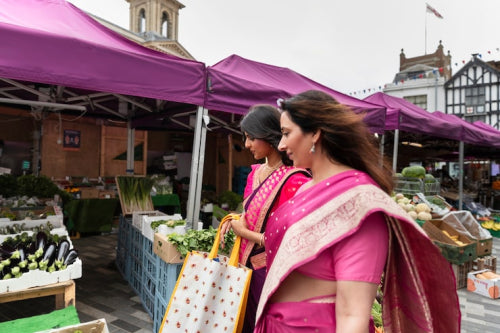
In the heart of bustling Indian metros, where skyscrapers pierce the sky and daily life moves at a brisk pace, a meaningful revival is taking place. Urban exhibitions are bringing India's timeless textile heritage alive, turning traditional weaving arts into immersive, contemporary celebrations that connect deeply with audiences in India and across the diaspora in the US, Singapore, Australia, the UK, and the UAE. Far from mere nostalgia, these events create living connections between artisans and modern buyers seeking genuine, soulful pieces in a world of mass uniformity.
perfectly captures this vibrant movement. Platforms like IndieHaat curate unforgettable experiences that highlight the beauty of handcrafted sarees, dress materials, Tussar sarees, and linen sarees.
Fast fashion erodes cultural heritage, sidelining artisans and reducing traditions to trends. At IndieHaat, we champion India's craftspeople with handcrafted sarees, apparel, décor, and skincare rooted in authenticity. Each piece embodies skill and ethical care. Support artisans and preserve India's timeless legacy Shop Now!
Reviving Tradition in Modern Urban Spaces
India's textile traditions stretch back thousands of years, with intricate techniques lovingly passed through generations of master weavers. Today, urban exhibitions are reintroducing these treasures to city residents who might otherwise only glimpse them occasionally. In metropolitan India, such events provide a refreshing break from fast fashion cycles. Meanwhile, diaspora communities in the US, UK, Singapore, Australia, and UAE reconnect with their roots through tactile displays rich in cultural storytelling.
IndieHaat, rooted in Bangalore, leads this revival by partnering directly with artisans. The brand offers thoughtfully selected handmade apparel and accessories. Each item from a graceful Tussar saree with its distinctive natural golden hue to a lightweight linen saree suited to Indian climates receives careful curation for superior quality, cultural authenticity, and ethical standards. This dedication resonates with today's buyers who value products with genuine narratives.
Emerging Trends Shaping Textile Exhibitions
Pop-up exhibitions and urban galleries are gaining momentum in key cities including Mumbai, Delhi, Bengaluru, and Dubai. These are immersive celebrations rather than conventional trade events, where visitors witness live weaving demonstrations, join interactive workshops, and listen as artisans narrate the heritage behind every thread.
Hybrid formats have broadened participation significantly. Digital exhibitions and virtual tours enable global audiences to engage meaningfully, while in-person gatherings foster personal bonds. A notable shift emphasises experiential storytelling through interactive installations that trace the complete journey from traditional looms to finished garments, spotlighting the dedication involved in producing pure linen, silk, and cotton fabrics.
Ethical and transparent production has emerged as a standout quality. Conscious buyers want to understand the full story behind their purchases who created the piece and under what conditions. IndieHaat's model of direct artisan partnerships delivers this transparency, eliminating intermediaries and forging authentic connections.
Real-World Examples Across Target Markets
In Bengaluru, IndieHaat's curated exhibitions bring together exquisite linen and silk sarees sourced straight from artisans. These events transform into cultural meeting points, attracting locals and travellers alike who are eager to champion sustainable Indian traditions.
In the US and UK, diaspora textile fairs in vibrant cities such as New York and London showcase Indian handcrafted apparel. Participants discover unique designs that elegantly fuse heritage with contemporary style whether elegant Tussar sarees for festive occasions or versatile dress materials for daily wear. These gatherings strengthen generational ties while emphasising authenticity and responsible sourcing.
Singapore and the UAE host dynamic urban cultural festivals and luxury bazaars featuring stunning traditional textiles. Tussar sarees and premium dress materials particularly appeal to diverse audiences who appreciate fine craftsmanship and sustainable luxury. Successful collaborations among designers, artisans, and curators continue to introduce Indian textiles to wider global audiences effectively.
Why Handmade Textiles Matter More Than Ever
Amid abundant mass-produced clothing, handmade creations using pure natural fabrics distinguish themselves through their unique character. Every Tussar saree bears subtle, individual variations that reflect the artisan's personal touch small nuances that enhance rather than detract from perfection. Linen sarees deliver exceptional comfort, breathability, and longevity when cared for properly.
IndieHaat maintains a strict focus on linen, silk, and cotton only. This ensures garments that feel luxurious against the skin while remaining environmentally considerate. By sourcing directly from artisans, the brand supports rural communities, safeguards precious skills at risk of being lost, and sustains livelihoods across India.
Insights from the Growing Handicrafts Landscape
Consumers worldwide increasingly seek unique, handmade, and culturally meaningful items, moving away from mass-produced goods in favour of craftsmanship and eco-conscious choices. The Asia Pacific region continues to lead this space, while markets like the US show particularly strong interest in such products. These shifts reflect deeper values around authenticity and sustainability that align closely with IndieHaat's philosophy.
Navigating Common Challenges Thoughtfully
Enthusiasm for handcrafted textiles is growing, yet understandable concerns persist. Many view these items as carrying higher prices, which actually reflect the extensive skilled labour and time invested in their creation. IndieHaat counters this perception by highlighting true value exceptional quality, one-of-a-kind designs, and the direct positive impact on artisan communities.
Building trust remains important, particularly for international buyers. Curated platforms address this through complete transparency, rich artisan profiles, and consistent excellence. The common hesitation about purchasing without physically examining the product is precisely why urban exhibitions and pop-up events prove invaluable they allow visitors to experience the fabric's texture, drape, and quality in person.
Logistical aspects of moving delicate handmade textiles have improved considerably thanks to thoughtful packaging solutions and reliable networks. Availability through marketplaces such as Amazon Marketplace and ONDC further simplifies access for customers across target regions.
The Power of Multi-Channel Engagement
While exhibitions create lasting in-person memories, online marketplaces keep the connection vibrant throughout the year. IndieHaat's strategic presence enables convenient browsing and purchasing for customers in India and abroad, blending digital ease with authentic craftsmanship. Active engagement on Instagram, Facebook, and YouTube offers behind-the-scenes views that nurture community and reinforce trust.
This integrated approach immersive exhibitions paired with seamless digital access allows India's textile heritage to reach wider audiences while preserving its core values and integrity.
Overcoming Objections Through Authentic Experiences
Price concerns often fade once buyers learn the complete journey of each garment, from selecting premium natural fibres to the patient, intricate weaving process. Many realise that a well-chosen linen or Tussar saree represents a wiser, longer-lasting investment compared to frequently replacing lower-quality alternatives.
Trust develops naturally through direct artisan links and verified standards. The opportunity to touch and feel fabrics at exhibitions removes uncertainty about authenticity. IndieHaat's dedication to pure fabrics and distinctive designs consistently converts initial hesitation into enthusiastic loyalty.
Looking Ahead: Sustaining a Living Heritage
The rising appreciation for handcrafted textiles points to a larger cultural evolution. Urban exhibitions do more than present products they cultivate respect for traditional skills, compelling narratives, and sustainable practices central to Indian identity. As consumers increasingly desire meaningful relationships with their possessions, initiatives that thoughtfully connect heritage with modern life will flourish.
Whether drawn to the understated elegance of a Tussar saree or the daily comfort of linen dress materials, these urban celebrations welcome you to join a living story. Choosing handcrafted pieces means more than acquiring beautiful clothing it actively sustains traditions and empowers the skilled artisans who keep them thriving.
The looms keep weaving, exhibitions continue inspiring, and India's rich textile heritage remains vibrantly relevant in today's urban landscapes more accessible and cherished than ever before.
Frequently Asked Questions
What types of handcrafted textiles are typically featured at Indian urban textile exhibitions?
Urban textile exhibitions in India typically showcase a rich variety of handcrafted sarees and dress materials, including Tussar sarees known for their natural golden hue, lightweight linen sarees suited to Indian climates, and pure silk and cotton fabrics. Curators like IndieHaat source these directly from artisans, ensuring cultural authenticity and superior quality. Visitors can explore both traditional weaving styles and contemporary fusion designs that blend heritage with modern aesthetics.
Why are handmade Indian textiles considered more valuable than mass-produced clothing?
Handmade Indian textiles are crafted using traditional techniques passed down through generations, giving each piece unique character that factory-made clothing simply cannot replicate. Every Tussar saree, for example, carries subtle individual variations that reflect the artisan's personal touch, while linen sarees offer exceptional breathability and longevity. Beyond quality, purchasing handcrafted textiles directly supports rural artisan communities, helps preserve endangered weaving skills, and aligns with eco-conscious values since they use only natural fabrics like linen, silk, and cotton.
How can members of the Indian diaspora in the US, UK, or UAE access authentic Indian handcrafted sarees and textiles?
Diaspora communities in cities like New York, London, Dubai, and Singapore can connect with authentic Indian handcrafted textiles through a growing network of textile fairs, cultural festivals, and luxury bazaars hosted in those cities. Year-round access is also available via curated online platforms and marketplaces such as Amazon Marketplace and ONDC, where brands like IndieHaat maintain a consistent presence. Social media channels including Instagram, Facebook, and YouTube offer behind-the-scenes glimpses of the weaving process, helping international buyers build trust and feel connected to the artisans before purchasing.
Disclaimer: The above helpful resources content contains personal opinions and experiences. The information provided is for general knowledge and does not constitute professional advice.
You may also be interested in: Linen Sarees Offer Practical Alternative for Travel and Everyday Use
Fast fashion erodes cultural heritage, sidelining artisans and reducing traditions to trends. At IndieHaat, we champion India's craftspeople with handcrafted sarees, apparel, décor, and skincare rooted in authenticity. Each piece embodies skill and ethical care. Support artisans and preserve India's timeless legacy Shop Now!
Powered by flareAI.co