
Balancing Craftsmanship and Economic Viability in Handloom
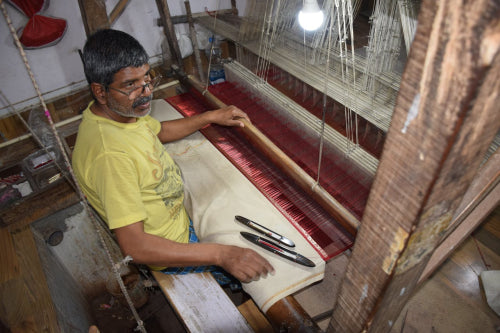
In the bustling lanes of Bangalore's craft markets and the quiet weaving villages of rural India, a quiet tension plays out daily: how to keep centuries-old handloom traditions alive while making them economically sustainable in a fast-moving world. This challenge echoes across borders from weavers in West Bengal to diaspora communities in the US, Singapore, Australia, the UK, and the UAE. Balancing Craftsmanship and Economic Viability in Handloom is more than an academic exercise; it's the lived reality for artisans and the brands that champion them.
Fast fashion erodes cultural heritage, sidelining artisans and reducing traditions to trends. At IndieHaat, we champion India's craftspeople with handcrafted sarees, apparel, décor, and skincare rooted in authenticity. Each piece embodies skill and ethical care. Support artisans and preserve India's timeless legacy Shop Now!
Understanding the Cultural and Economic Stakes
Handloom isn't merely fabric it's storytelling woven thread by thread. In India, sarees, dress materials, Tussar sarees, and linen sarees carry the fingerprints of generations. These pieces connect wearers to regional heritage: the subtle sheen of Tussar silk from Jharkhand or the breathable elegance of pure linen that feels cool even in humid Indian summers.
Artisans face rising raw material costs, competition from power looms, and the difficulty of reaching urban and international buyers without losing control over quality and fair wages. For brands like IndieHaat, the solution lies in thoughtful curation rather than mass production. Every item undergoes careful selection to honour authenticity while ensuring the entire value chain from artisan to customer remains viable and respectful.
Emerging Trends Shaping Handloom's Future
Consumers worldwide are shifting toward mindful purchases. In India and the UAE, there is growing appreciation for ethically sourced handmade products that directly support local communities and preserve traditional skills. Across Australia and Singapore, modern design sensibilities blend beautifully with traditional handloom think linen sarees reimagined as contemporary fusion wear or Tussar dress materials styled for both office and special occasions.
E-commerce and social commerce have opened powerful new doors. Direct artisan-to-consumer models thrive on platforms like Amazon Marketplace and ONDC Marketplace, allowing weavers to showcase their craft without heavy intermediary costs. In the US and UK, diaspora buyers actively seek genuine pieces that evoke memories of home, driving demand for pure linen, silk, and cotton collections.
Government initiatives in India, such as handloom cluster development schemes, provide crucial support through skill enhancement and better market access. These efforts help preserve age-old techniques while encouraging fresh innovation in design, dyeing, and finishing.
IndieHaat's Distinctive Approach to Artisan Partnership
Based in Bangalore, IndieHaat stands apart by partnering directly with artisans. Unlike typical marketplaces, the brand applies a rigorous selection process to ensure every saree, dress material, or accessory meets high standards of quality, cultural authenticity, and ethical production. This model reflects handmade items directly sourced from artisans, unique designs, and a strict focus on authentic and pure fabrics only linen, silk, and cotton.
The commitment delivers real benefits. Linen's natural thermoregulation makes it perfect for India's climate, while Tussar sarees offer distinctive texture and drape prized by discerning customers. By minimising middlemen, IndieHaat maintains fair compensation for artisans and keeps prices reflective of true craftsmanship.
Real Stories from Artisan Communities
Artisan cooperatives in Gujarat and West Bengal have successfully leveraged online marketplaces to reach buyers in the US, UK, and UAE. One group specialising in Tussar weaves now ships internationally, with customers praising the fabric's natural lustre and the transparency of its journey from village loom to doorstep.
In Singapore and Australia, collaborations with designers have modernised traditional handloom for today's global wardrobes. A simple linen saree transforms into an elegant evening drape, while versatile dress materials find new life in structured kurtas or contemporary silhouettes that appeal to multicultural audiences.
Addressing Common Customer Objections Thoughtfully
Shopping handloom online naturally raises valid concerns. Many hesitate over high pricing, yet when they understand the hours of skilled labour, premium natural fibres, and fair wages involved, the long-term value becomes clear. IndieHaat addresses this through detailed storytelling and transparent sourcing information on every product page.
Trust deficit presents another common hurdle. Without the ability to touch and feel the product in person, buyers pause. The brand counters this effectively with high-resolution imagery, comprehensive fabric descriptions, verified customer reviews, and regular Instagram features where artisans share their processes directly. Social media platforms Instagram, Facebook, and YouTube have become powerful tools for building emotional connections and demonstrating real texture, drape, and quality.
- High pricing: Balanced by the exceptional longevity and timeless appeal of pure linen and Tussar pieces that far outlast fast fashion alternatives.
- Trust: Built through verified artisan partnerships and rich, authentic visual content.
- Lack of tactile experience: Mitigated with generous return policies, detailed material education, and virtual try-on guidance.
Practical Strategies for Long-Term Sustainable Growth
Success in the handloom sector requires careful balance. Artisans gain from consistent orders and ongoing skill development programmes. Brands must invest in digital marketing that highlights unique designs and the human stories behind each creation. Customers, in turn, gain access to meaningful products that support cultural preservation and ethical practices.
For international markets, logistics challenges with delicate textiles call for thoughtful packaging and reliable fulfilment partners. Localised marketing celebrating Indian festivals or highlighting climate-appropriate linen wear helps these products resonate deeply with audiences in Singapore, Australia, the UK, and the UAE.
Across the globe, consumer preference continues to grow for sustainable, traceable fashion. Linen clothing, in particular, has gained strong traction for its natural comfort and eco-friendly properties, encouraging more brands to invest thoughtfully in handcrafted variants that honour tradition.
Leveraging Digital Platforms for Greater Reach
Instagram remains central for IndieHaat and like-minded brands. Profiles that showcase artisan journeys, live weaving sessions, and creative customer styling ideas help build genuine community. Features highlighting specific products such as “How this Tussar saree comes to life on a village loom” create emotional investment that goes far beyond price considerations.
Marketplaces like Amazon and ONDC offer valuable broad visibility, while curated brand platforms allow deeper storytelling. The most effective approach combines both: wide reach through marketplaces paired with the intimate, trust-building experience of a specialised brand presence. This strategy serves IndieHaat's primary target regions effectively.
Looking Ahead: A Future Where Craftsmanship Thrives
The future of handloom lies not in choosing between tradition and economic viability, but in skilfully weaving the two together. By honouring authentic processes, embracing thoughtful innovation, and maintaining direct relationships with artisans, brands like IndieHaat show that cultural heritage and sustainable business models can flourish side by side.
Whether you are seeking a timeless linen saree for everyday elegance, a special Tussar piece for celebrations, or versatile dress materials that bridge heritage and modernity, the journey begins with a conscious choice. Each purchase supports skilled artisans, helps preserve precious techniques, and brings a living piece of India's rich tradition into wardrobes around the world.
The looms continue to hum not as relics of the past, but as vital engines of a more thoughtful, equitable, and culturally vibrant future. In embracing handloom, we don't simply buy clothing. We invest in a more beautiful world one saree, one dress material, and one mindful decision at a time.
“Every thread tells a story of hands that wove it with care, communities that sustained the craft, and wearers who choose to carry that legacy forward with pride.”
This approach ensures that India's handloom legacy remains not just alive, but thriving for generations to come.
Frequently Asked Questions
How do handloom artisans compete with power looms while staying economically viable?
Handloom artisans stay competitive by leveraging direct-to-consumer models through platforms like Amazon Marketplace and ONDC, which reduce middlemen costs and allow fair wages. Brands like IndieHaat support this by curating authentic pieces with rigorous quality standards, ensuring artisans receive consistent orders and fair compensation. Government-backed handloom cluster development schemes further strengthen artisans through skill enhancement and improved market access.
Why are handloom sarees like Tussar and linen sarees priced higher than regular fabrics?
The higher price of handloom sarees reflects the hours of skilled labor, premium natural fibers (linen, Tussar silk, cotton), and fair wages paid to artisans. Unlike mass-produced power loom alternatives, each piece carries cultural authenticity and exceptional longevity, making it a far more sustainable investment than fast fashion. Transparent sourcing and detailed product storytelling help buyers understand the true value behind every purchase.
How can international buyers in the US, UK, or Australia shop authentic Indian handloom sarees online?
Diaspora communities and global buyers can shop authentic Indian handloom through curated e-commerce platforms and marketplaces like Amazon, which offer direct artisan-sourced products with verified reviews and detailed fabric descriptions. Brands like IndieHaat address the lack of in-person experience through high-resolution imagery, generous return policies, and artisan-led social media content on Instagram and YouTube. Thoughtful packaging and reliable international fulfilment ensure delicate textiles like Tussar sarees and pure linen arrive safely worldwide.
Disclaimer: The above helpful resources content contains personal opinions and experiences. The information provided is for general knowledge and does not constitute professional advice.
You may also be interested in: The Delicate Art of Cutwork Embroidery: A Timeless Technique
Fast fashion erodes cultural heritage, sidelining artisans and reducing traditions to trends. At IndieHaat, we champion India's craftspeople with handcrafted sarees, apparel, décor, and skincare rooted in authenticity. Each piece embodies skill and ethical care. Support artisans and preserve India's timeless legacy Shop Now!
Powered by flareAI.co