
Artisanal Rugs Bring Indias Craftsmanship to Global Homes
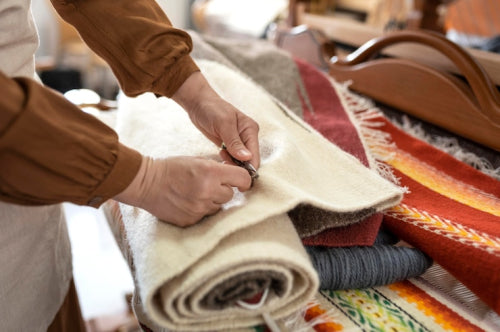
In a dusty Rajasthan village, the steady clack of a wooden loom echoes through a small courtyard. A weaver, her fingers deft from years of practice, ties vibrant wool into intricate knots, crafting patterns that tell stories of her ancestors. This rug, born of patience and skill, is more than a floor covering it's a piece of India's cultural heartbeat. Thousands of miles away, in a chic San Francisco penthouse or a minimalist Berlin apartment, such handwoven treasures are elevating interiors, blending heritage with modern elegance. Platforms like IndieHaat, which empower these artisans, are not just selling rugs; they're weaving a global tapestry that connects rural India to discerning homes worldwide.
India's rug-making legacy, deeply rooted in regions like Kashmir, Rajasthan, and Uttar Pradesh, has quietly thrived for centuries. Now, it's capturing international attention as consumers reject mass-produced décor in favor of authentic, handcrafted pieces. The India handmade carpet market, valued at USD 56.4 million in 2024, is set to grow at a robust 8.0% CAGR through 2030, fueled by demand for bespoke craftsmanship. IndieHaat stands at the forefront of this movement, championing artisan communities and showcasing India's textile heritage to a global audience.
The Rise of Ethical Craft in a Mass-Produced World
Step into a high-end design showroom in Milan or New York, and you'll likely find an Indian rug commanding attention its subtle geometric designs or vibrant regional motifs a striking contrast to sleek modern furniture. This surge in popularity reflects a broader shift toward slow, ethical interior design. Urban consumers, buoyed by rising disposable incomes, are prioritizing quality over quantity, seeking pieces that carry cultural weight. India's handwoven rugs, from the intricate wool carpets of Bhadohi to the sustainable jute weaves of Gujarat, meet this demand with timeless appeal.
The data underscores this trend. The broader India carpet market, valued at USD 2.93 billion in 2024, is projected to reach USD 5.51 billion by 2033, growing at a 6.7% CAGR. Beyond aesthetics, this growth reflects a commitment to sustainability. Buyers are drawn to eco-friendly materials like natural dyes, wool, and cotton, as well as the assurance that their purchases uplift artisans, many from marginalized communities. Social media has supercharged this movement, with platforms like Instagram spotlighting the vibrant looms of Rajasthan or the meticulous knotting techniques of Uttar Pradesh, turning craftsmanship into a global phenomenon.
IndieHaat plays a critical role in this ecosystem. By linking rural weavers with international buyers, it ensures fair wages and preserves traditional techniques. A Bhadohi cooperative revived hand-knotted wool rugs for a European boutique, showcasing intricate designs that resonated with global buyers. Such triumphs are increasingly common as IndieHaat emphasizes artisan-first branding, making each rug a story of resilience and skill.
From Rural Looms to Global Stages
The path of an Indian rug from a village loom to a global showroom is a remarkable odyssey. In Amritsar, weavers have carved a unique niche with rugs inspired by Western aesthetics. Unlike the Persian-influenced carpets of southern India, Amritsar rugs emerged in the 19th century to cater to European and American tastes, featuring bold colors and patterns that adorned Victorian homes. Today, these rugs are winning over modern designers seeking distinctive, statement-making pieces.
Jaipur Rugs exemplifies India's global influence. Launched in 1978 by Nand Kishore Chaudhary with a modest 5,000-rupee loan, Jaipur Rugs now supports over 40,000 artisans across 600 villages, exporting hand-knotted rugs to more than 40 countries. Its mission empowering weavers from underserved backgrounds while delivering exceptional quality has made it a leader in the industry, with a major distribution hub in Atlanta. IndieHaat draws inspiration from this model, curating collections that highlight artisan's stories, whether it's a Kashmiri family preserving ancient knotting techniques or a Gujarat women's collective innovating with natural dyes.
These narratives captivate buyers. A collaboration between rural weavers and a Scandinavian design firm produced minimalist rugs infused with traditional Indian motifs, earning acclaim at a European design fair. IndieHaat's platform makes such partnerships accessible, enabling consumers to trace their rug's origins to a specific artisan or village, fostering a deeper connection to the craft.
Navigating the Challenges of Global Trade
Scaling handcrafted rug exports is no small feat. The process is labor-intensive, with some rugs requiring months of meticulous knotting. Logistics pose another hurdle, as rural artisans are often distant from major shipping centers. Intellectual property theft is a persistent issue, with traditional patterns frequently copied by mass producers, depriving weavers of recognition and revenue.
Global trade compliance adds further complexity. Artisans must meet stringent international quality standards while adhering to customs regulations and managing pricing pressures, all without compromising traditional methods. IndieHaat addresses these challenges by streamlining logistics and prioritizing transparency, ensuring buyers understand the value of their investment. Yet, the balance between scalability and authenticity remains delicate.
Government support is easing the way. Initiatives like “One District One Product” and “Make in India” promote regional crafts, while the “India Handloom” brand helps artisans access export markets. Combined with platforms like IndieHaat, these efforts are empowering weavers, though sustained innovation and advocacy are needed to fully realize the industry's potential.
A Thriving Market with Global Promise
The global demand for handmade rugs is soaring. The global carpets and rugs market, valued at USD 58.93 billion in 2024, is expected to reach USD 133.94 billion by 2032, with an 11.08% CAGR. India, with its rich weaving traditions and skilled workforce, is poised to claim a significant share. The India decorative rug market, worth USD 400.25 million in 2024, is projected to grow to USD 555.66 million by 2030, driven by urbanization and a rising appetite for aesthetic home décor.
E-commerce has transformed the landscape. Platforms like IndieHaat enable artisans to bypass traditional intermediaries, connecting directly with consumers. This not only boosts incomes but also strengthens brand identity through authentic storytelling. When a buyer in Sydney purchases a rug from a weaver in Uttar Pradesh, they're not just acquiring a product they're supporting a craft, a community, and a cultural legacy.
Crafting a Future Rooted in Tradition
Picture that Rajasthan weaver, her loom still humming as dusk settles over her village. The rug she's crafting, destined for a home across the globe, carries more than beauty it carries hope. An IndieHaat artisan from Bhadohi shares, “Our rugs keep our traditions alive,” her words reflecting deep pride in her craft. She's right. Every purchase is a commitment to craftsmanship, sustainability, and a world where heritage endures.
India's artisanal rugs are more than décor; they're cultural treasures, weaving history into the fabric of modern life. As the global appetite for ethical home goods grows, India is leading a quiet revolution one knot, one loom, one story at a time. With platforms like IndieHaat paving the way, the future of this ancient craft is vibrant, handwoven, and profoundly human.
Disclaimer: The above helpful resources content contains personal opinions and experiences. The information provided is for general knowledge and does not constitute professional advice.
You may also be interested in: Empowering India's Handmade Fashion: The Transformative Power
Fast fashion erodes cultural heritage, sidelining artisans and reducing traditions to trends. At IndieHaat, we champion India's craftspeople with handcrafted sarees, apparel, décor, and skincare rooted in authenticity. Each piece embodies skill and ethical care. Support artisans and preserve India's timeless legacy Shop Now!
Powered by flareAI.co