
Artisan Stories Highlight Human Element in Sustainable Apparel
Quick Listen:
In the quiet workshops nestled in rural India, a weaver works at a traditional handloom, her fingers guiding threads of cotton or silk with quiet precision. Each pass builds not only a garment but a living connection to generations of skill and cultural memory. As shoppers increasingly question the true cost of fast fashion, these artisan stories are gaining prominence. They reveal that sustainable apparel is fundamentally about people the hands that create, the communities that sustain traditions, and the thoughtful choices that link maker to wearer.
Fast fashion erodes cultural heritage, sidelining artisans and reducing traditions to trends. At IndieHaat, we champion India's craftspeople with handcrafted sarees, apparel, décor, and skincare rooted in authenticity. Each piece embodies skill and ethical care. Support artisans and preserve India's timeless legacy Shop Now!
The Human Touch Behind Every Thread
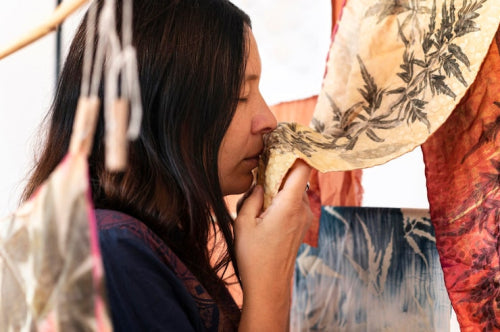
Sustainable fashion discussions frequently center on materials and supply chains, yet the true essence lies with the artisans who transform ideas into reality. Across India's handicraft communities, families and entire villages rely on techniques refined over decades. Every block print, embroidery stitch, or natural dye application reflects creativity shaped by resourcefulness and deep respect for materials.
Handcrafted apparel stands apart from industrial uniformity. Subtle variations in weave or the nuanced shades achieved through plant-based dyes serve as hallmarks of authenticity. These small differences invite the wearer to reflect on the individual behind the garment, building an emotional bond that factory-produced clothing seldom matches.
Why Artisan Craft Matters in Sustainable Apparel
Handmade garments naturally support sustainability by relying on fewer resources and producing minimal waste. Artisans typically favor natural fibers, local plant dyes, and established methods that limit harmful chemicals. The emphasis remains on quality and durability, resulting in pieces designed to endure rather than be quickly discarded.
The human dimension extends to livelihoods. Platforms that link artisans directly with buyers help maintain endangered skills and strengthen rural economies. Wearers of these garments participate in a narrative of cultural preservation and equitable exchange, where value flows back to the creators.
India's Rich Handicraft Tradition Finds New Life
India stands as a longstanding global center for handicrafts, showcasing remarkable regional diversity from woodwork and artmetal ware to handprinted textiles, embroidered and crocheted goods, zari embellishments, and more. The sector thrives on growing appreciation for ethnic and handmade items, supported by expanding e-commerce, government export promotion efforts, rising tourism, and a worldwide move toward sustainable and eco-friendly products.
Industry observations indicate steady expansion in the India handicrafts market, fueled by demand for genuine, environmentally conscious creations. Online distribution channels have become vital, enabling artisans to connect with appreciative audiences while preserving the personal narratives woven into each piece. This accessibility proves particularly meaningful for apparel, as block-printed kurtas, embroidered ensembles, and tussar silk garments journey from village looms to wardrobes worldwide, each carrying the imprint of dedicated makers.
E-Commerce as a Bridge Between Maker and Wearer
The expansion of e-commerce across India has created fresh opportunities for sustainable apparel grounded in traditional craftsmanship. Improved digital access and seamless payment systems allow platforms to present not only products but also the human stories and processes involved videos of weavers at their looms, explanations of natural dyeing techniques, or insights into artisan collectives.
This openness shifts shopping from a simple purchase into a more enriching experience. Customers gain understanding of a garment's complete journey, from raw materials to finished item, and recognize how their choices contribute to skill preservation and community strength. Such storytelling distinguishes handcrafted pieces and encourages deeper customer loyalty based on shared values.
Trends clearly show consumers gravitating toward apparel that feels personal and intentional, preferring channels that emphasize human connections over impersonal mass production.
Challenges Artisans Face and How Stories Help Overcome Them
Even with strong appeal for handmade goods, artisans commonly encounter obstacles including limited market reach, pricing pressures, and competition from lower-cost machine-made alternatives. Younger community members may migrate to cities for other opportunities, threatening the continuity of specialized knowledge unless genuine demand for authentic craft persists.
In this context, sharing artisan stories emerges as a meaningful response. When platforms highlight a weaver's routine or the cultural meaning behind a traditional motif, they inform buyers and cultivate genuine appreciation. Greater visibility often translates into willingness to support premium quality and broader advocacy that helps sustain these ecosystems.
Government programs that register artisans and develop craft clusters offer important backing, yet consumer engagement driven by compelling narratives frequently delivers the most lasting influence. Every informed purchase underscores the human impact of sustainable decisions.
Common Questions About Artisan-Made Sustainable Apparel
Many wonder whether handcrafted items can truly compete with fast fashion in price and availability. While initial costs may be higher, the superior durability and timeless appeal often deliver better long-term value. Others question the environmental claims; traditional methods using natural materials and low-waste techniques generally result in a lighter footprint than industrial alternatives.
A frequent concern involves authenticity. Reputable platforms address this by providing clear details about origins, artisan involvement, and production methods, allowing buyers to make confident choices.
Bringing It Home: What Consumers Can Do
Embracing sustainable apparel with a human story begins with simple curiosity rather than seeking flawless perfection. Seek information on origins, materials, and the people involved. Inquire about production practices or the initiatives they support. Gradual changes such as choosing fewer, higher-quality pieces create significant cumulative effects.
- Explore brands and platforms that openly share artisan profiles and detailed process information.
- View natural variations in handcrafted items as signs of genuine craftsmanship rather than imperfections.
- Back initiatives that emphasize fair compensation and the passing on of traditional skills.
- Pass along the stories you encounter to help extend their positive reach.
These steps help keep time-honored crafts alive and push the broader fashion industry to prioritize human well-being alongside commercial success.
The Enduring Appeal of Stories in Cloth
Amid constant trend cycles and throwaway culture, the steady dedication of artisan hands presents a powerful counterpoint. Sustainable apparel acquires richer meaning when viewed as more than mere fabric it becomes a wearable link to human ingenuity, living heritage, and mindful existence.
As increasing numbers of consumers choose items accompanied by authentic narratives, the human element shifts from the periphery to the core of fashion's evolution. A carefully made kurta or scarf, born in a distant workshop, carries forward traditions that benefit both creator and owner alike. Through the garments we select, we help shape not only our wardrobes but a more aware and interconnected world.
Explore insights on India's handicrafts market and its growing role in sustainable, artisan-driven apparel.
Frequently Asked Questions
Why is artisan-made clothing considered more sustainable than fast fashion?
Artisan-made clothing is more sustainable because it relies on natural fibers, plant-based dyes, and traditional techniques that minimize harmful chemicals and reduce waste. Handcrafted garments are built for durability and longevity, meaning they're designed to last rather than be quickly discarded. The process also supports local rural economies and helps preserve endangered cultural crafts, making sustainability both environmental and social.
How does e-commerce help Indian artisans reach global buyers?
E-commerce platforms have become a vital bridge between Indian artisans and conscious consumers worldwide, enabling block-printed kurtas, embroidered textiles, and tussar silk garments to travel from village workshops to international wardrobes. Beyond selling products, these platforms share artisan stories, videos of weavers at their looms, and explanations of natural dyeing techniques transforming a simple purchase into a meaningful cultural exchange. This transparency builds customer loyalty rooted in shared values around sustainability and fair trade.
Are handcrafted garments worth the higher price compared to mass-produced clothing?
While artisan-made apparel often carries a higher upfront cost than fast fashion, the superior durability and timeless design typically deliver better long-term value. Handcrafted pieces also carry authenticity markers subtle variations in weave or naturally dyed shades that factory-produced clothing cannot replicate. Reputable platforms further support buyer confidence by providing clear details about origins, artisan involvement, and production methods, ensuring every purchase is an informed one.
Disclaimer: The above helpful resources content contains personal opinions and experiences. The information provided is for general knowledge and does not constitute professional advice.
You may also be interested in: Artisan Profiles Bring Transparency to Online Handmade Fashion
Fast fashion erodes cultural heritage, sidelining artisans and reducing traditions to trends. At IndieHaat, we champion India's craftspeople with handcrafted sarees, apparel, décor, and skincare rooted in authenticity. Each piece embodies skill and ethical care. Support artisans and preserve India's timeless legacy Shop Now!
Powered by flareAI.co